Skip to content

Financing Your Solar System

mm Sarah Chen 10 min read

Four Financing Options, One Goal: Solar That Works

Six Decisions That Matter Most

  • Start with the cash price, even if you plan to finance, to spot inflated dealer fees.

  • Compare offers using the same system size, estimated annual production, and warranty coverage.

  • Treat any low-APR loan as suspect until you see the dealer fee baked into the contract price.

  • Stress-test escalators and true-up clauses in any power purchase agreement.

  • Plan for a home sale on day one: transfer fees, credit re-qualification, and buyout formulas.

  • Don't ignore equipment architecture; microinverters versus string inverters cost can change both upfront price and long-run replacement risk.

Why 2026 Is Different for Solar Buyers

The single most common homeowner mistake in 2026 is assuming the incentive story is the same as it was a few years ago. For customer-owned systems, the federal homeowner credit ended after December 31, 2025; the IRS instructions for Form 5695 now focus on claiming 2025 credits and carrying forward unused credit amounts into 2026 rather than claiming new credits for installations completed in 2026.

That carryforward detail matters if you installed in 2025 and didn't have enough tax liability to use the full credit at once, but it doesn't revive the credit for new 2026 installs. So when an offer references a thirty percent federal credit in 2026, the critical question becomes: who is claiming it, under what tax code section, and how is the value being passed to you if at all.

That brings us to third-party ownership, because it's where the incentives and the fine print can diverge. Some third-party structures are designed so the system owner—not the homeowner—claims a business-side credit under IRC Section 48E. But 48E includes a specific leasing limitation: no credit is determined for certain wind and solar leasing arrangements if the taxpayer rents or leases the property to a third party during the taxable year.

In plain English, if a contract is truly a lease of solar electric property, the tax treatment can be very different than a service contract where you're buying electricity. This is one of those spots where you don't want marketing-language answers. Ask the provider, in writing, whether your contract is treated as a lease or a power purchase agreement, whether they expect to claim a 48E credit, and whether your pricing assumes that credit.

If the salesperson can't explain that without changing the subject, treat it as a risk signal—not because the company is necessarily dishonest, but because you may be the one holding the complexity later. The financial tie-in is straightforward: if you're financing, small per-watt differences get multiplied by the financed term, so you want to be sure you're paying for performance you'll actually realize.

A calm, finance-first mindset beats hype every time. Get the cash price, understand who owns what, assume you may sell your home before the contract ends, and treat every savings number as a projection until you've checked the assumptions. Do that, and solar becomes what it's supposed to be: a controlled, measurable improvement to your home's long-term finances, not a leap of faith.


Cash Purchase: Own the Asset

You buy the asset and capture the long tail of savings after payback with the simplest home-sale story

When Cash Makes Sense

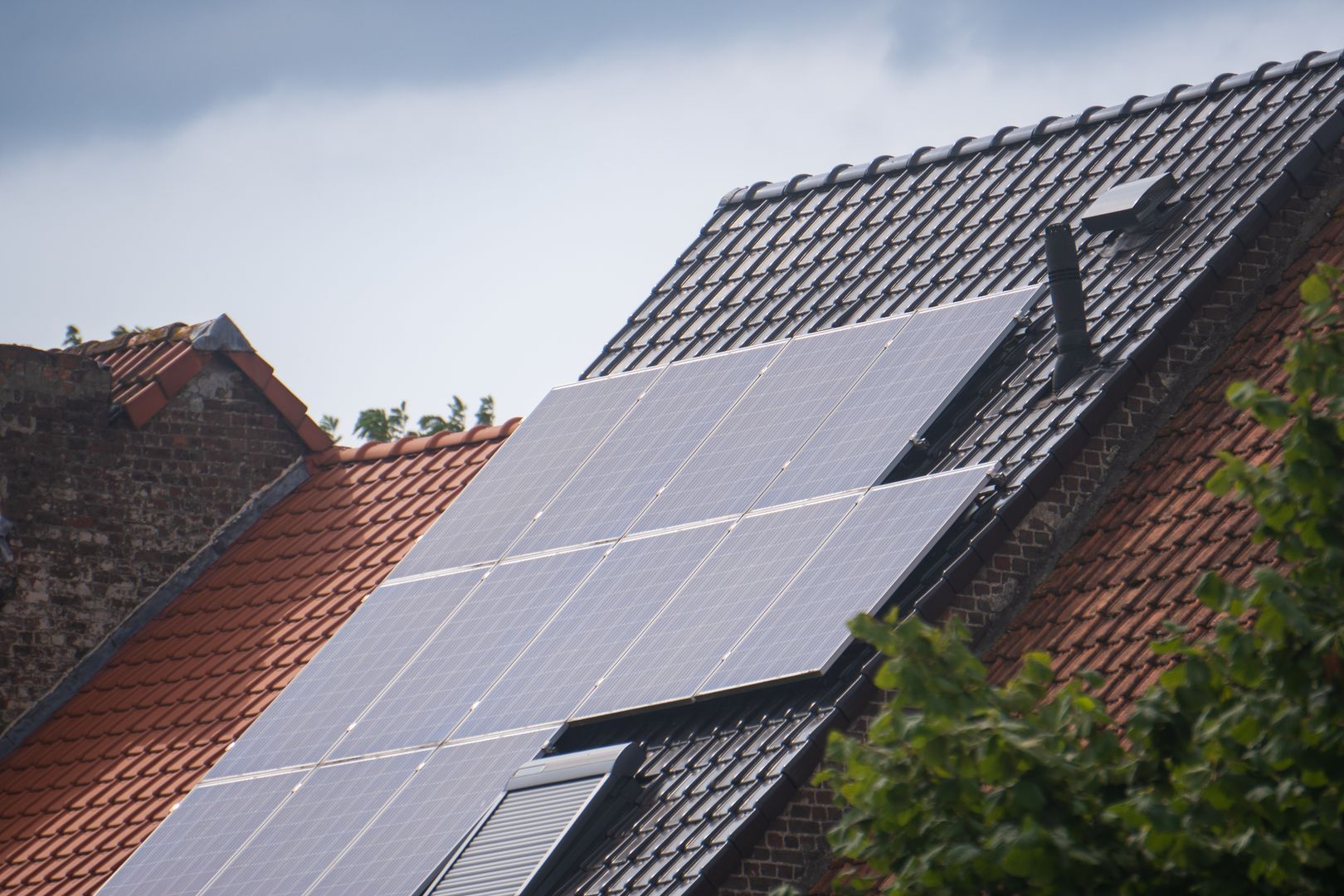
Residential solar panels on house roof
Modern residential solar array showing microinverter architecture and rooftop mounting for owner-occupied installation

Six-Step Offer Comparison Process

  • Pull twelve months of electric bills and note kWh usage and rate structure
  • Decide your goal in one sentence: offset percentage, maximize stability, or prepare for backup
  • Collect at least three quotes with cash price and full equipment list
  • Normalize quotes: same system size, production estimate, and scope including panel upgrades
  • If financing, compare financed amount, dealer fees, term length, prepayment rules, and liens
  • If third-party, audit contract terms: escalator, transfer fees, buyout options, end-of-term choices, insurance

Solar Loans: Ownership with Flexibility

Spread payments across ten to twenty-five years while keeping control of equipment choice, monitoring access, and future upgrades

Understanding Solar Loan Structures

Solar loans try to split the difference: you own the system, but you spread payments across ten to twenty-five years depending on the lender and product. The advantage is that ownership typically keeps you in control of equipment choice, monitoring access, and future upgrades, and it can be easier to unwind during a home sale than a long contract with an outside owner.

The drawback is that solar loans are not all priced the same way. Some are same-as-cash with a straightforward APR and minimal fees; others use large dealer fees that increase the financed amount, which can erase years of savings even if the APR looks attractive. A good rule: if you can't see the cash price and the financed price side-by-side on the same quote, you don't yet know the real cost of the loan.

Solar loans fit homeowners who want ownership and tax simplicity—especially after the December 31, 2025 cutoff—but prefer monthly budgeting; the best versions look boring on paper: transparent cash price, reasonable APR, and low fees. If you want six decisions that move payback more than panel brand ever will, start with the cash price even if you plan to finance, and treat any low-APR loan as suspect until you see the dealer fee points baked into the contract price.

High angle view of a lease agreement and pens on a wooden desk.

Leases and PPAs put simplicity first, but you pay for that simplicity with reduced upside and more contractual obligations. A solar lease is typically a fixed monthly payment for the equipment, often with performance guarantees and maintenance included. A PPA is a per-kilowatt-hour rate for the electricity produced, which aligns the provider's incentives with production but can also add complexity through annual escalators, minimum bill clauses, and reconciliation periods. Consumer regulators continue to warn that leases and PPAs can be difficult or expensive to exit early and can complicate a home sale if the buyer doesn't want to assume the contract.

Equipment Architecture and Long-Term Cost

Inverter selection influences system design flexibility, monitoring granularity, and replacement timelines with real pricing impact

Microinverters Versus String Inverters

Making Leasing Versus Buying a Fair Comparison

To make leasing solar panels versus buying a fair comparison, don't focus on year-one savings; focus on three standardized checkpoints: your total cost over the first five years, your total cost over ten years, and what it costs to be contract-free—own outright or terminate—at those same points.

Homeowners regularly get surprised because a lease or PPA that looks great at signing can be expensive to buy out later, especially if the buyout is based on fair market value that the provider controls through an appraisal process. On the flip side, a well-priced PPA with a modest or zero escalator can be a rational choice in high-rate areas when the goal is immediate bill stability rather than maximizing lifetime return.

A solar lease can still be workable for some households, but in 2026 it deserves extra scrutiny because the tax and contract structure can materially change the economics. If you choose third-party ownership, the price isn't just the payment—it's the transferability. Consumer regulators continue to warn that leases and PPAs can be difficult or expensive to exit early and can complicate a home sale if the buyer doesn't want to assume the contract.

In 2026, the strongest solar financing decisions usually come from choosing a fair cash price first, then selecting the least complicated financing you can comfortably afford. The last piece is matching the option to the homeowner—not to the sales script. Cash is best for homeowners who have strong reserves, plan to stay put, and want maximum lifetime return with minimal contract complexity.