For cost inputs, it helps to speak in dollars per watt because it normalizes system size. As of July 2026, many residential quotes in competitive markets cluster around the mid-$2/W to low-$3/W range before incentives, while cash purchase medians reported in large datasets can be higher. Don't treat any single national average as a fair price for your zip code; instead, collect several quotes that specify equipment, warranty, and the exact price per watt, then compare apples to apples.
Equipment choice still matters, but it's rarely the main payback lever unless you're comparing extremes. Most homeowners will encounter three main types of solar panels: monocrystalline typically the highest efficiency and the most common in residential quotes, polycrystalline less common in newer residential proposals than it once was, and thin-film often used when low weight or flexibility matters, but typically needs more area to reach the same output.
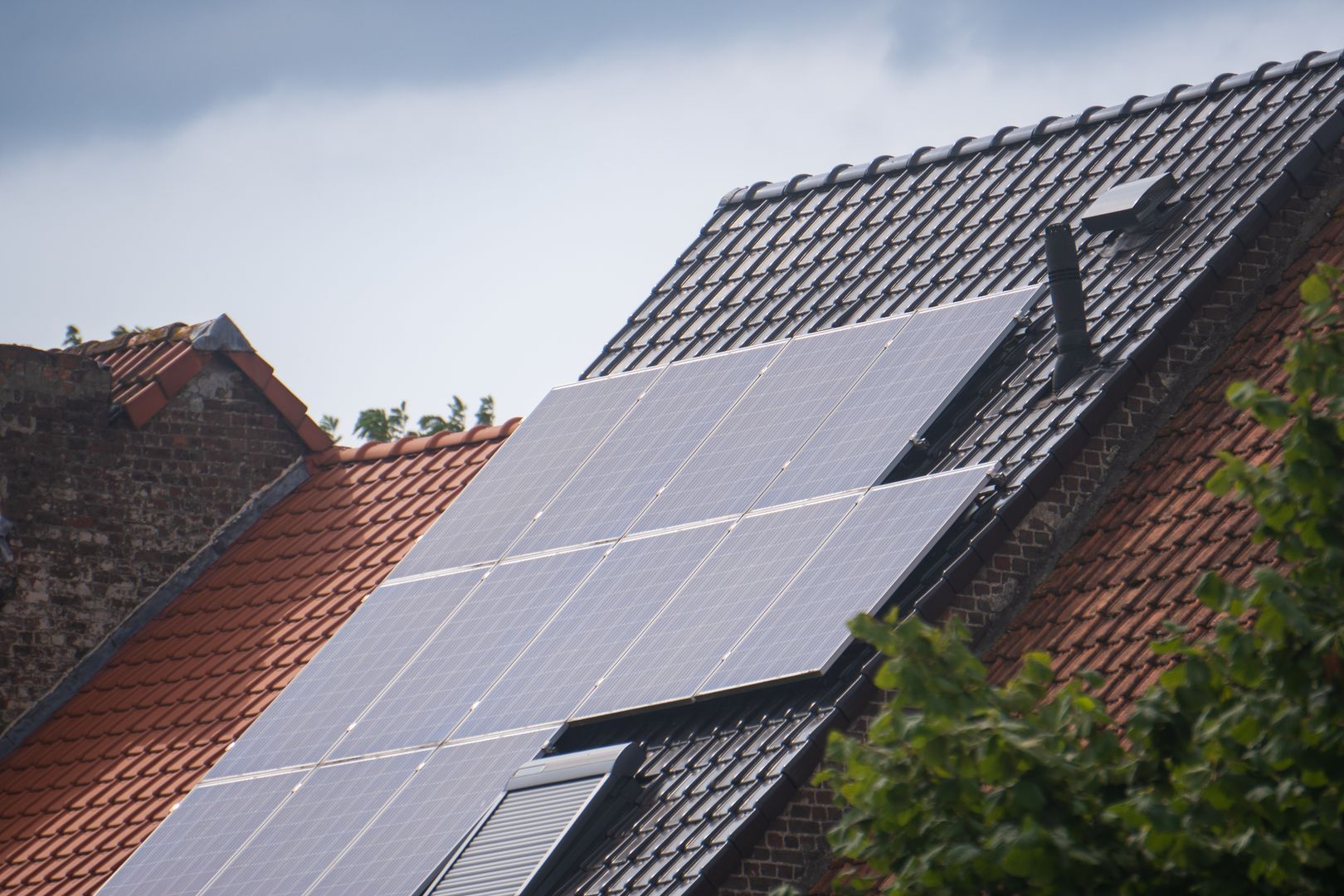
For a typical suburban roof where space is limited, monocrystalline panels usually make the math easier because fewer panels can meet the same annual kWh target. The panel is only part of the system. Inverters and layout affect production in shade and on complex roofs. If you have multiple roof planes, partial shade, or a chimney that casts a moving shadow, module-level power electronics like microinverters or DC optimizers paired with a string inverter can reduce the penalty from uneven production across the array.
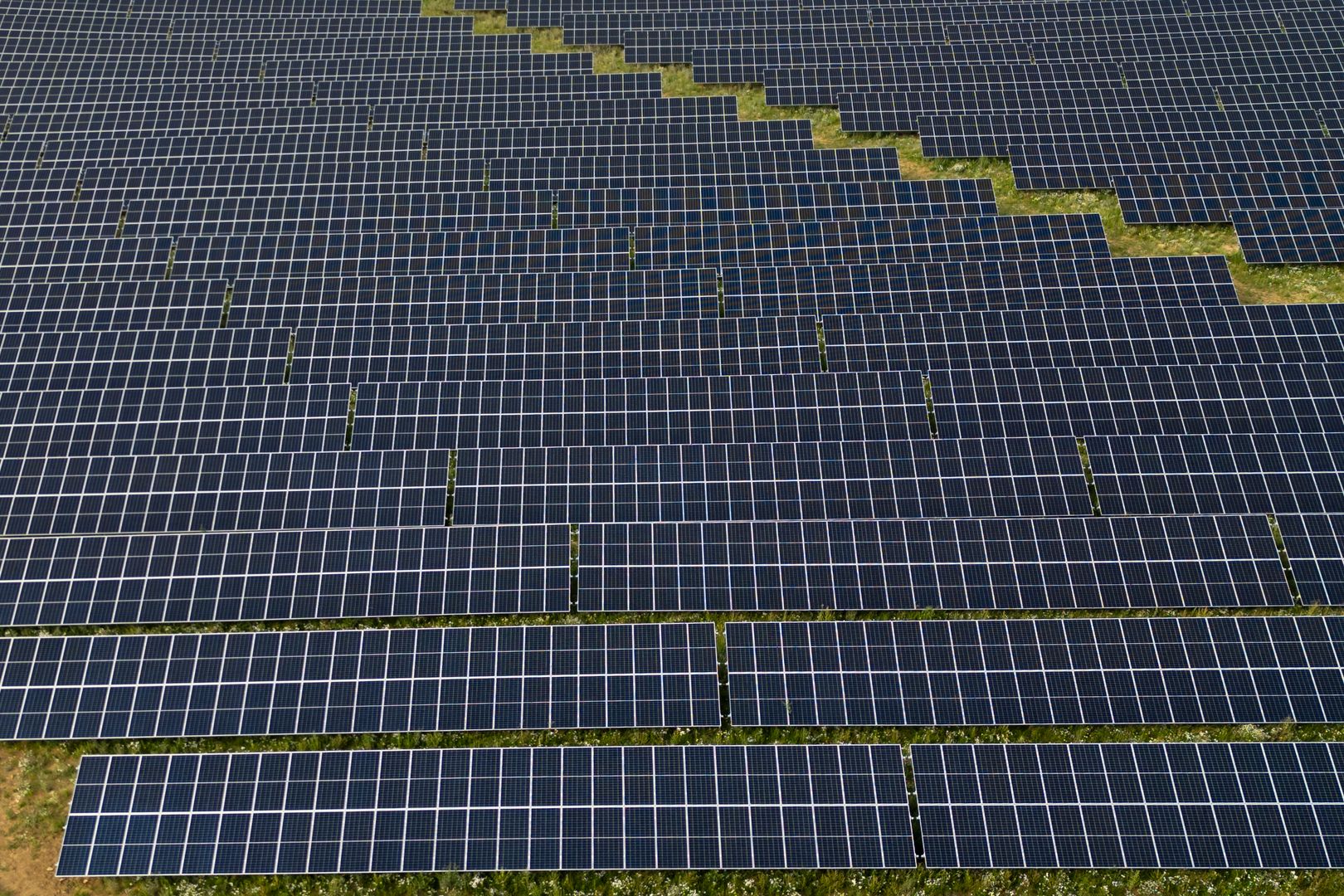
That can improve the real payback more than choosing a slightly higher efficiency panel, because it protects production during the exact hours your home needs it. Ground systems deserve a careful look, especially on properties with land and a shaded or complicated roof. A good ground mounted solar panels guide always starts with the boring stuff: setbacks, zoning, trenching distance to your main panel, soil conditions, and snow or wind exposure.
Ground mounts can outperform roof arrays because you can choose the best tilt and azimuth, keep modules cooler because cooler modules produce more, and clean them more easily. The downsides are also real: added racking, foundations, and trenching can raise the installed cost, and permitting can be more involved in some jurisdictions. If your roof is near end-of-life or heavily shaded, ground mounts can still improve the payback even at a higher upfront cost because the production is stronger and more consistent.
Before committing to any design, confirm these eight practical items—each one can shift payback by months or years: your last 12 months of kWh usage, your current rate plan details, export credit rules and true-up, roof age and remaining life, shading at key hours, interconnection and permit fees, warranty terms for labor, and a clear $/W quote breakdown.
The biggest mistake I see is oversizing for future-proofing without considering how exports are credited. Under strong retail-style net metering, adding extra capacity can be reasonable if you expect electrification like heat pump HVAC, electric water heating, or a second EV and your utility allows credit banking in a way you can actually use. Under net billing, oversizing can backfire if you routinely export at low credit rates and then buy back power later at higher retail prices.
In that environment, a smaller array paired with smarter usage timing—and sometimes a modest battery—can outperform a larger solar-only system on pure payback. Payback is not the only reason homeowners go solar, and it's not the only way to measure value. Some people prioritize outage resilience, predictable energy costs, or reducing exposure to future rate changes.