Skip to content

Sizing Your Solar Panel System

mm Marcus Rivera 10 min read

Why System Size Matters

Key Sizing Principles

  • Start with 12 months of kWh use, not a single average month.

  • Treat shading like a first-order sizing input, not a footnote.

  • Size to your rate plan and export compensation, not just to offset.

  • Use equipment specs to confirm constraints, not to guess production.

  • Confirm roof layout and setbacks early so the design is real.

  • Make sure incentives and tax credit rules match your install year.

Understanding Panel Dimensions and Weight

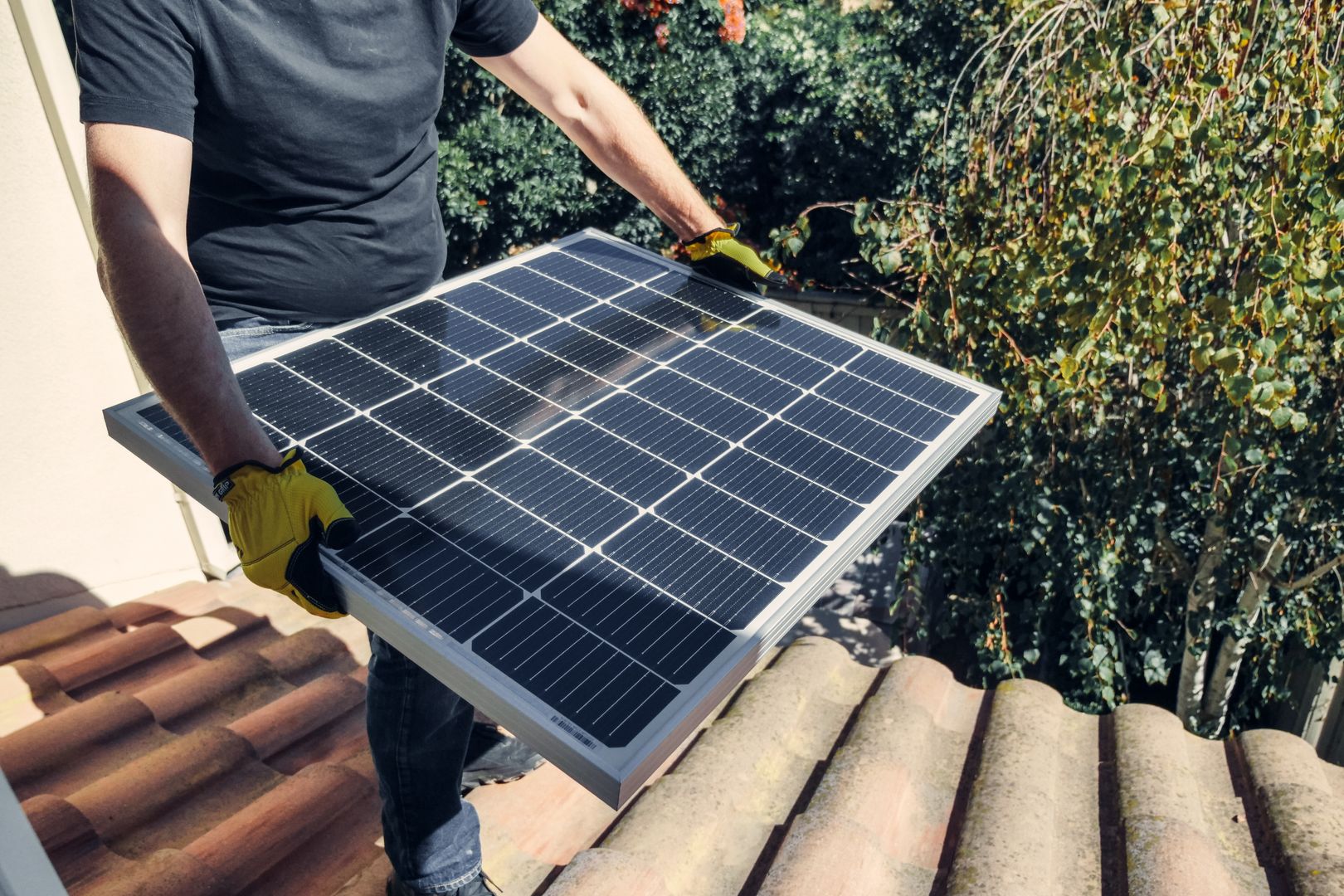
You'll hear a lot about panel count, and it's helpful—but only after you translate your energy goal into a system size. For example, a common residential panel format (often called a 60-cell module) measures about 65 inches by 39 inches, which is roughly 17.5 square feet per panel.

On average, panels weigh about 42 pounds, with some falling between 40 and 60 pounds. Those numbers are why solar panel size and weight should be part of your planning from day one: they determine whether your roof has enough usable area, and they influence racking choices, handling, and—occasionally—structural review.

The next concept to nail down is what solar panel power output actually means. The wattage printed on a panel (say, 400 W) is a nameplate rating measured under Standard Test Conditions (STC)—a lab setup that assumes a specific sunlight intensity and cell temperature. Your roof is not a lab.

Real-world output is usually lower because panels run hotter, sunlight shifts through the day, and wiring/inverter losses exist. This is why two 8 kWdc systems can produce noticeably different annual kWh depending on location, roof tilt, azimuth, and shade. It's also why reputable quotes always come with a production estimate—and why you should ask what assumptions went into it.


Roof Constraints and Layout

Usable roof area isn't the same as roof area

Go/No-Go Constraints

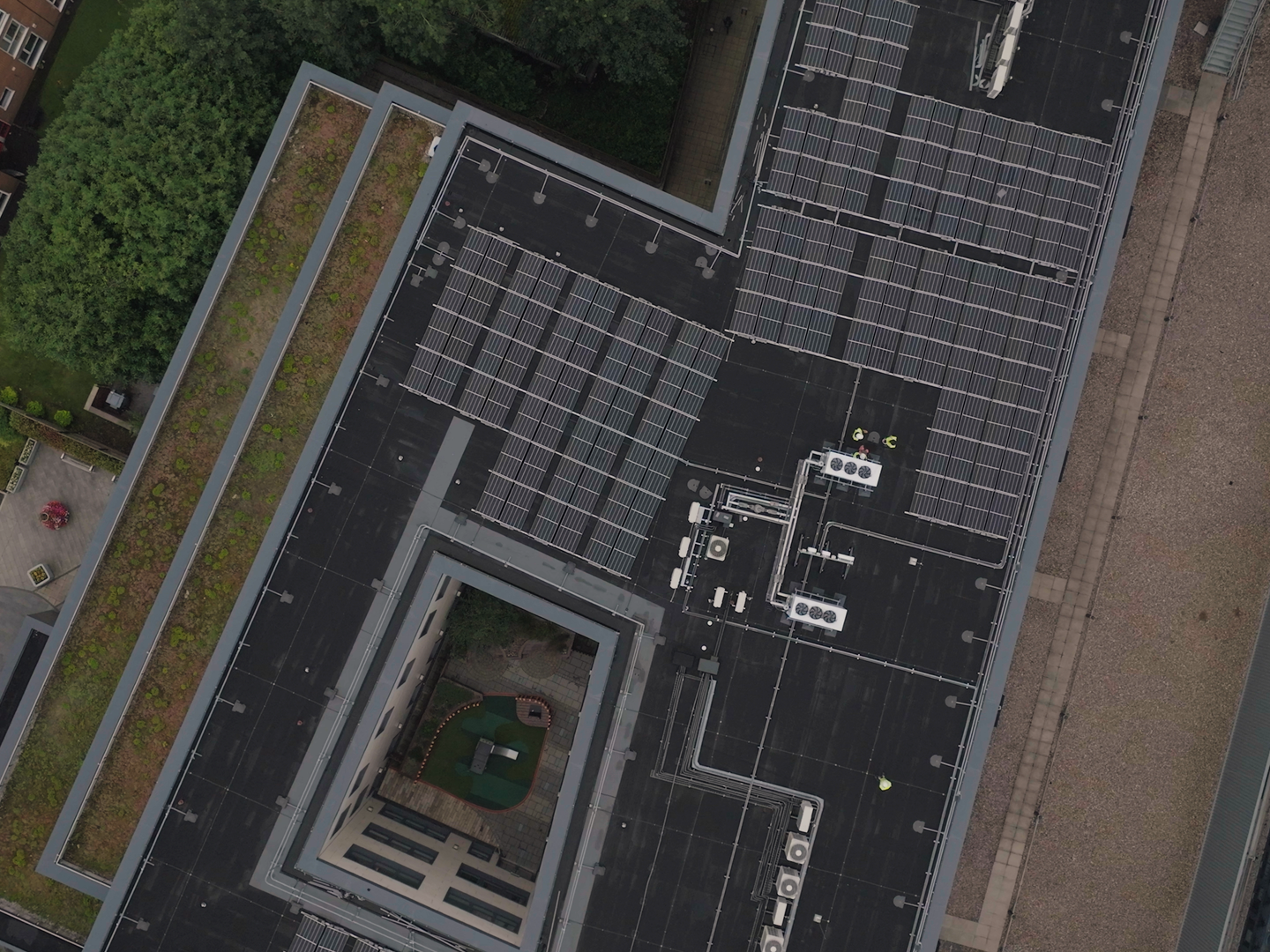
Solar panel roof layout diagram
Typical residential solar panel layout showing setbacks, ridgelines, and usable roof area

Eight Items to Gather Upfront

  • Your last 12 months of electric bills (kWh by month)
  • Your utility name and current rate plan
  • Your address (for solar resource and shading modeling)
  • Photos of your main electric panel and meter
  • A note on roof age and material (asphalt shingle, tile, metal)
  • A list of major near-term load changes (HVAC replacement, pool, additions)
  • Whether you expect an electric vehicle in the next 1–3 years
  • Any HOA or historic district requirements you already know about

Benchmarks and Incentives

Understanding market pricing and federal tax credits

2024 Cost Benchmarks

If you want a reality-based cost anchor (not a promise of what you'll personally pay), the U.S. Department of Energy's PV System Cost Benchmark for 2024Q1 modeled a representative residential rooftop PV system at 8 kWdc.

In that benchmark, the modeled market price for PV-only was $3.15 per watt (in inflation-adjusted 2023 dollars), which works out to about $25,200 before incentives for an 8 kWdc system. The same benchmark describes that representative system using 20 modules rated at 400 W each, and pairing each module with a microinverter rated at 330 Wac (for 6.6 kWac total AC power).

Benchmarks aren't quotes, but they're useful for spotting proposals that are wildly out of band without a clear reason. Incentives can materially change the right size because they change payback—especially the federal tax credit.

Under IRS guidance updated in January 2025, the Residential Clean Energy Property Credit (often called the residential solar tax credit) is 30% for qualified expenditures for property placed in service from 2022 through 2032. The credit percentage then steps down to 26% for property placed in service in 2033 and 22% in 2034, with no credit available after 12/31/2034.

Qualified battery storage technology is also eligible, and the IRS notes that battery storage must have a capacity of at least 3 kilowatt-hours to qualify. This matters for sizing because some homeowners size a little smaller on panels and add storage later (or vice versa) based on budget, outage concerns, and how their utility credits exports.

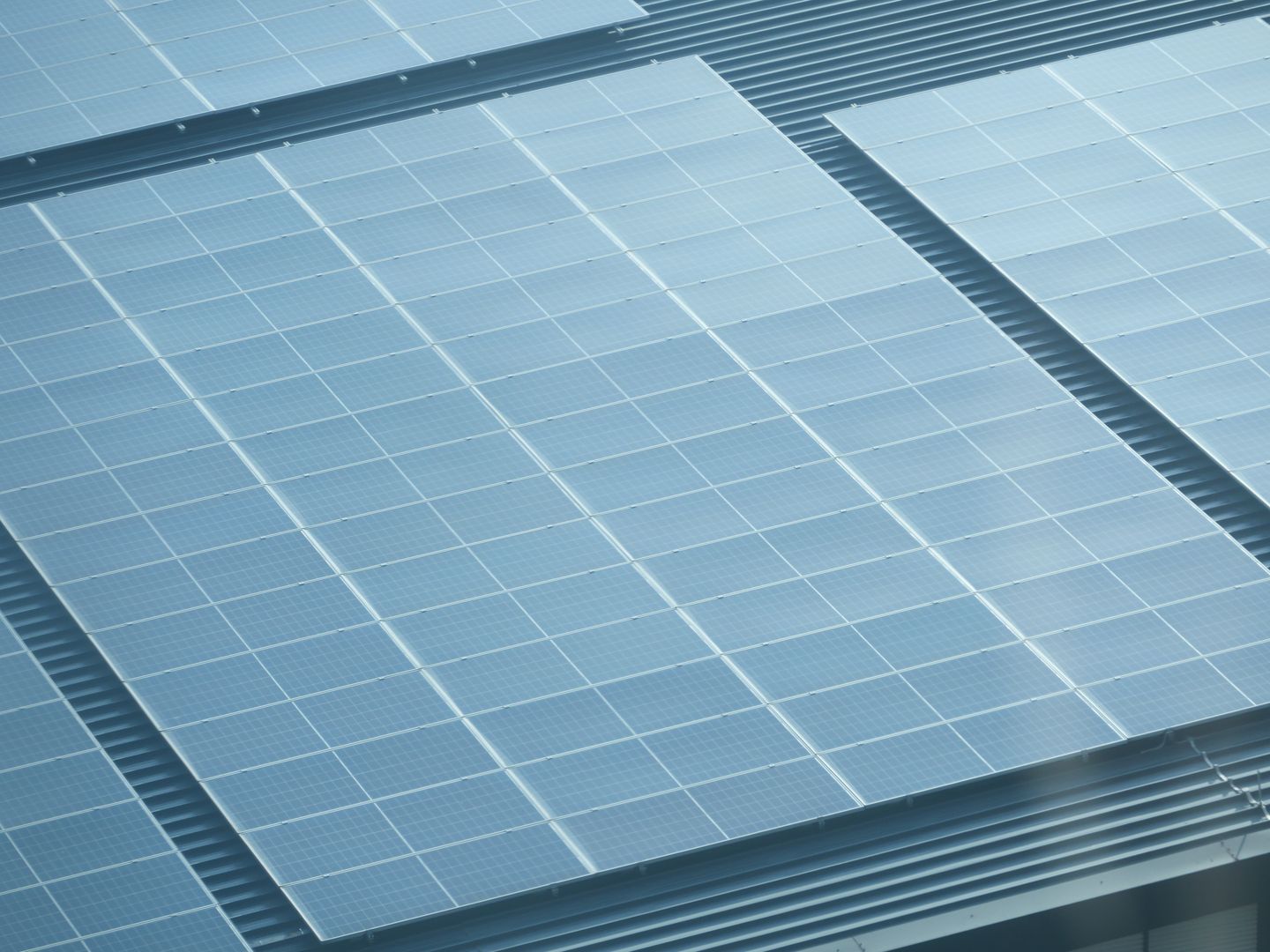
Detailed view of solar panels installed on a rooftop, showcasing green energy.

If you remember one thing, remember this: sizing is an annual cash-flow decision that should be checked against your roof and your utility's export rules. The fastest way to get accurate quotes (and avoid salespeople estimating your usage) is to gather eight items upfront. With those in hand, the solar panel installation process becomes much more predictable, and your sizing discussion gets concrete instead of hypothetical.

Five Steps to Right-Size Your System

Turn the sizing principle into action with a clean set of inputs and a predictable workflow

  1. Confirm Your Energy Baseline

    Use 12 months of kWh to find your annual total and identify seasonal spikes; don't size off a single high month.

  2. Validate the Site Constraints

    A shade assessment and roof measurement should happen before finalizing system size so your target can actually fit.

  3. Choose a Target Offset

    Decide whether you're aiming for partial offset, near-total offset, or a capped size based on export compensation and household plans.

  4. Translate kWh into System Size

    Your installer models annual production; the result tells you the kWdc you need, then the number of panels based on the module wattage you select.

Common Sizing Mistakes

There are sizing mistakes that cost real money. The most common is sizing to 100% offset without asking how exports are credited. If daytime exports are credited less than nighttime imports (common under time-of-use rates and some modern compensation structures), oversizing can stretch payback even if your annual kWh balances on paper.

Another mistake is ignoring future loads. If you're planning to electrify a gas water heater, replace a gas furnace with a heat pump, or add an EV, your best system size may be intentionally larger than your current bills suggest—if your roof and policy allow it.

The third mistake is trusting a production estimate that doesn't match your roof reality: a good estimate reflects your roof's orientation, tilt, shading, and the equipment's real operating limits.

It's also worth being clear about trade-offs. The upside of sizing thoughtfully is obvious: a right-sized system can deliver a predictable bill reduction and a cleaner payback story. The downside is that there's no single best size that fits everyone, and the constraints are real.

Roof layouts can force compromises. Interconnection limits can cap the system. Equipment choices can change how well you tolerate shade. And while modern panels are durable, any rooftop project introduces penetration, flashing, and workmanship risk—meaning installer quality matters at least as much as module specs.

mm

Marcus Rivera

Writer

Marcus is a renewable energy consultant with over 12 years of experience helping homeowners transition to solar power. He specializes in breaking down complex technical specifications and ROI calculations into actionable advice for residential solar projects.