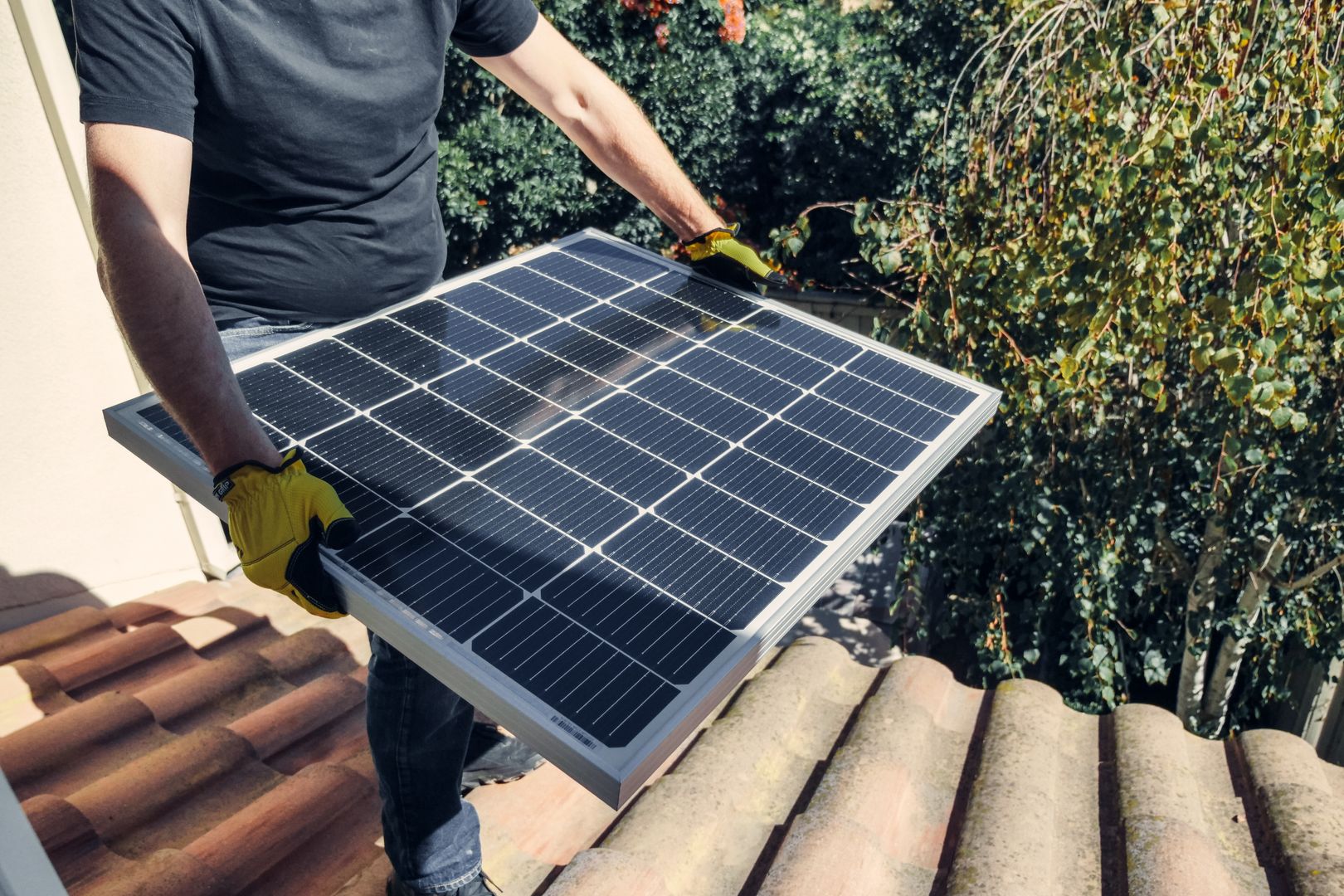
You'll hear a lot about panel count, and it's helpful—but only after you translate your energy goal into a system size. For example, a common residential panel format (often called a 60-cell module) measures about 65 inches by 39 inches, which is roughly 17.5 square feet per panel.
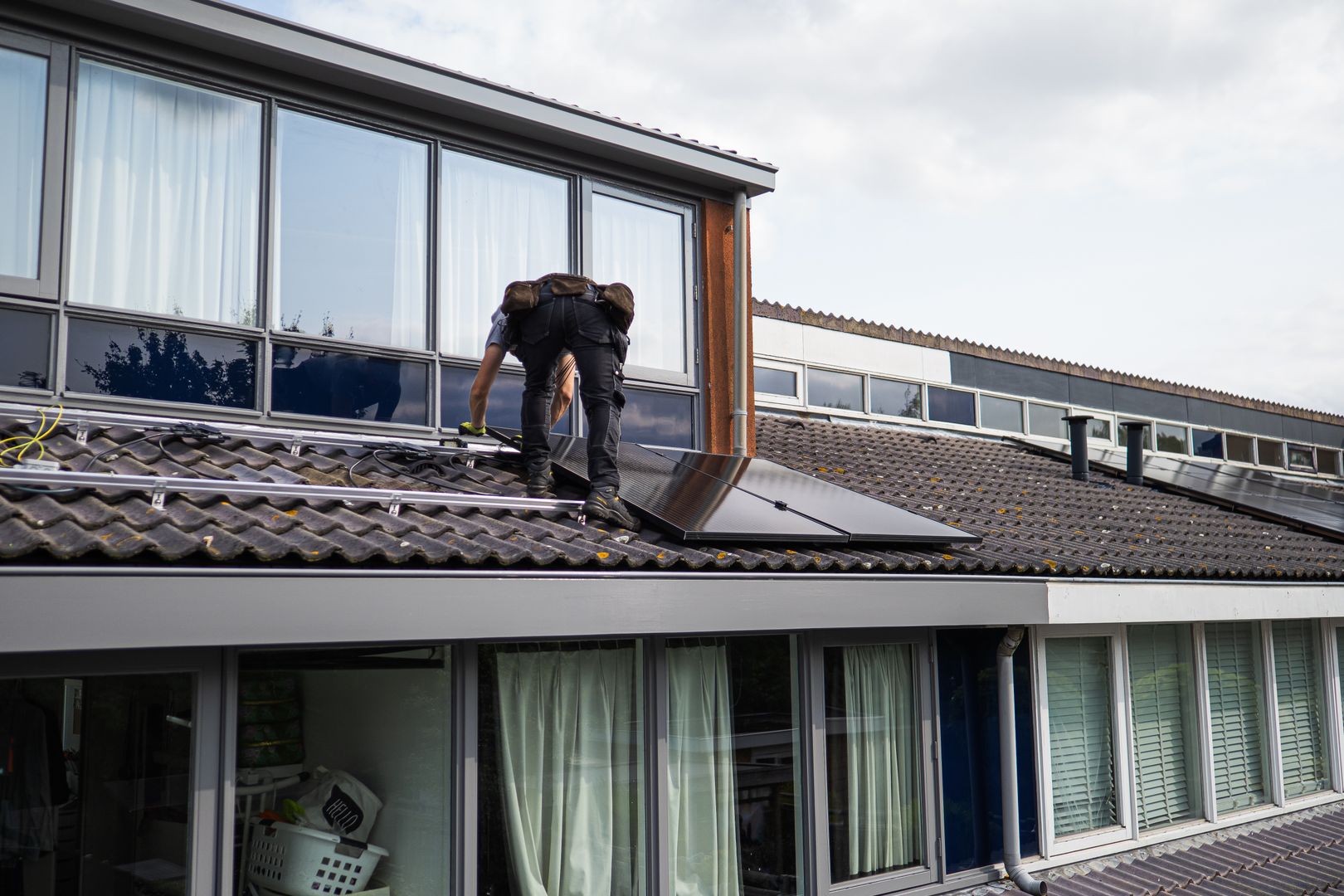
On average, panels weigh about 42 pounds, with some falling between 40 and 60 pounds. Those numbers are why solar panel size and weight should be part of your planning from day one: they determine whether your roof has enough usable area, and they influence racking choices, handling, and—occasionally—structural review.
The next concept to nail down is what solar panel power output actually means. The wattage printed on a panel (say, 400 W) is a nameplate rating measured under Standard Test Conditions (STC)—a lab setup that assumes a specific sunlight intensity and cell temperature. Your roof is not a lab.
Real-world output is usually lower because panels run hotter, sunlight shifts through the day, and wiring/inverter losses exist. This is why two 8 kWdc systems can produce noticeably different annual kWh depending on location, roof tilt, azimuth, and shade. It's also why reputable quotes always come with a production estimate—and why you should ask what assumptions went into it.